Kitchen cabinet drawers are the unsung heroes of Malaysian kitchens, playing a vital role in keeping our cooking spaces organized and efficient. With the rising popularity of custom cabinetry in Malaysia, homeowners are increasingly opting for personalized designs to match their style and functionality needs. However, not all custom cabinets are created equal, and poorly made drawers can lead to frustrating experiences, safety hazards, and financial setbacks.
This article sheds light on the hidden dangers of subpar kitchen cabinet drawers, helping you make informed decisions for your home.
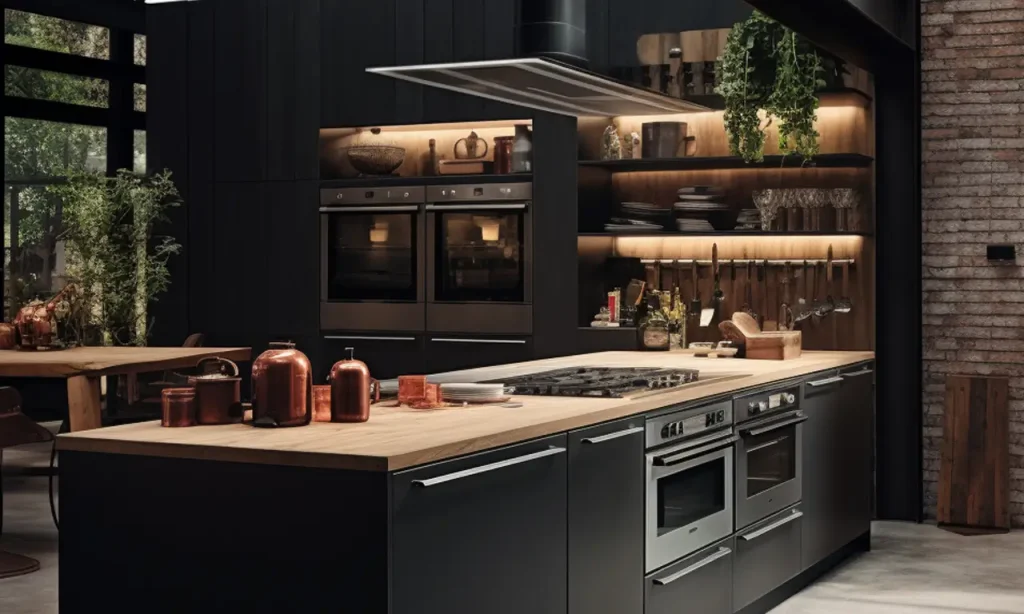
Common Causes of Poorly Made Kitchen Cabinet Drawers
Use of Low-Quality Materials
One of the most significant factors contributing to poorly made kitchen cabinet drawers is the use of inferior materials. Common issues include:
- Cheap plywood or particleboard: These materials are prone to warping, swelling, and breaking, especially in Malaysia’s humid climate.
- Lack of water-resistant or termite-proof materials: Given the prevalence of termites and high humidity levels, these shortcomings can lead to long-term damage.
Substandard Workmanship
Even the best materials can fail if the craftsmanship is lacking. Substandard workmanship often results in:
- Improper alignment of drawer tracks: This causes drawers to jam or stick.
- Lack of precision in assembly: Poor assembly can lead to structural weaknesses and durability issues.
Inferior Hardware
Hardware plays a critical role in drawer functionality. Using low-quality hinges, tracks, or handles can result in:
- Early wear and tear.
- Frequent repairs or replacements.
Poorly Designed Kitchen Layout
A poorly designed kitchen layout can also contribute to ineffective cabinet drawers. Common issues include:
- Not using best practices in design: Failing to consider the natural flow and usage of the kitchen.
- Cultural differences in cooking styles: Western kitchens often focus on baking, while Asian kitchens prioritize stir-frying, steaming, and wok-based cooking, which require different storage solutions and layouts.
- Inefficient placement of drawers: Poor understanding of how tools and ingredients are accessed during meal preparation.
Lack of Accessories or Add-Ons
Failing to incorporate modern accessories or hardware can significantly reduce the efficiency of your kitchen. Examples include:
- Pull-down mechanisms: These allow you to reach the top sections of cabinets without needing a step or stool.
- Rotating cabinets: Perfect for L-shaped cabinets, these make it easy to access deep storage spaces.
- Specialized add-ons: Accessories like spice racks, dividers, and utensil organizers can greatly improve functionality and usability.
Functional Risks
Difficulty in Usage
Poorly made kitchen cabinet drawers can severely impact their usability, including:
- Jamming and sticking: Drawers that don’t glide smoothly can make everyday tasks frustrating.
- Frequent misalignments: This not only affects functionality but also increases repair costs over time.
Reduced Storage Efficiency
Faulty drawer designs often fail to optimize space, leading to:
- Wasted storage: Poorly designed drawers don’t make the most of available space.
- Inefficient organization: This can disrupt kitchen workflows and increase clutter.
Safety Hazards
Risk of Drawer Collapse
Drawers made with weak materials or poor construction can collapse under the weight of heavy kitchen tools, posing safety risks.
Sharp Edges and Misalignments
- Sharp, unfinished edges can cause cuts and injuries.
- Misaligned drawers may result in pinched fingers or other accidents.
Chemical and Pest Risks
- Toxic adhesives or coatings used in low-quality cabinetry can emit harmful fumes, affecting indoor air quality.
- Untreated wood invites termite infestations, leading to further structural damage.
Financial and Long-Term Implications
Frequent Repairs and Replacements
Opting for cheap cabinetry might save money initially, but the long-term costs can be significant:
- Frequent repairs: Subpar materials and hardware often require constant fixes, which can quickly add up.
- Replacement expenses: Entire units may need to be replaced sooner than expected due to poor durability, nullifying any initial savings.
Decreased Home Value
Investing in poorly made cabinetry can negatively impact your home’s value in several ways:
- Aesthetic appeal: Low-quality materials and craftsmanship reduce the visual appeal of your kitchen, a key selling point for homes.
- Functional issues: Potential buyers may view malfunctioning drawers as a sign of broader maintenance problems.
- Long-term investment concerns: High-quality kitchens are a valuable asset for homeowners, and substandard cabinetry can deter potential buyers, lowering resale value.
Hidden Costs
- Increased maintenance: Costs for pest control, repainting, or re-laminating poorly made drawers.
- Health-related expenses: Exposure to harmful chemicals from toxic adhesives or coatings.
How to Avoid These Risks
Choosing the Right Materials
To ensure durability and functionality, select materials like:
- Hardwood or marine plywood for sturdiness.
- Termite-resistant and water-resistant finishes to combat Malaysia’s climate.
- High-quality laminates: These provide durability and an attractive finish.
Selecting Skilled Cabinet Makers
The expertise of your cabinet maker matters. Consider the following:
- Hire experienced professionals: Look for carpenters with a solid reputation in the industry.
- Check reviews and portfolios: Customer testimonials and previous projects can provide valuable insights into their work quality.
- Clear communication: Discuss your needs thoroughly to ensure the design meets your requirements.
Investing in High-Quality Hardware
Hardware is a crucial aspect of your kitchen’s longevity. Here’s how to choose wisely:
- Durable tracks, hinges, and handles: Opt for stainless steel or other high-quality materials that resist wear and tear.
- Soft-close mechanisms: These enhance usability and prevent damage caused by slamming.
- Adjustable shelving and drawers: These provide flexibility for future needs.
Requesting a Warranty
Ensure that your investment is protected by:
- Materials warranty: Covers defects in raw materials like wood and laminates.
- Workmanship warranty: Protects against issues like poor assembly or alignment.
The Key to a Safer, More Efficient Kitchen
Poorly made kitchen cabinet drawers can cause more harm than you might think, from functional issues to safety risks and long-term financial losses. Investing in quality cabinetry not only enhances the usability of your kitchen but also adds to your home’s overall value. By choosing durable materials, skilled craftsmen, and reliable hardware, you can avoid the pitfalls of subpar kitchen cabinet drawers and enjoy a kitchen that stands the test of time.
Make informed decisions and prioritize quality over short-term savings—your future self will thank you.