Have you ever found yourself bending uncomfortably or stretching too far while cooking? The secret to a functional and beautiful kitchen lies in one often-overlooked detail: kitchen cabinet height. From preparing daily meals to hosting gatherings, the right kitchen cabinet height and dimensions can transform your kitchen into a space of seamless functionality and comfort.
In Malaysian homes, where cooking styles and kitchen usage vary greatly, achieving the perfect kitchen cabinet height isn’t just about aesthetics – it is about ensuring every corner of your kitchen works for you. Whether you’re designing a compact wet kitchen or a luxurious dry kitchen, understanding the ideal kitchen cabinet height is the first step toward unlocking the ultimate kitchen experience. In this guide, we will be discussing how to choose the ideal kitchen cabinet height and dimensions tailored to you, your home and your lifestyle.
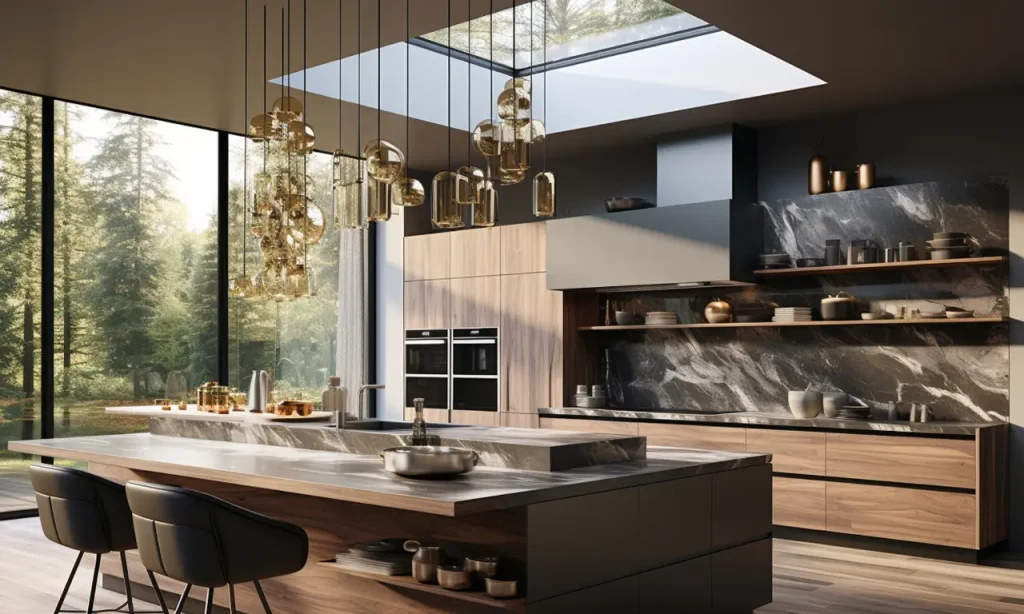
Kitchen Cabinet Height is Crucial For These 3 Main Kitchen Components
#1 Base Cabinets: The Foundation of Every Kitchen
Base cabinets form the backbone of any kitchen, serving as both storage and work surfaces. They’re where countertops rest, appliances fit, and most kitchen activities take place. The standard height for base cabinets is 34–36 inches, which includes countertop thickness. For Malaysian homes, ergonomic adjustments may lower this height to around 32 inches, especially for shorter users.
The depth of base cabinets typically measures 24 inches, offering enough room for most kitchen essentials while keeping everything within arm’s reach. Widths vary widely, from 12 inches for narrow cabinets to 48 inches for larger ones designed to house appliances or heavy-duty storage. Toe kicks, usually 3–4 inches in height, allow for comfortable foot space, preventing strain during prolonged standing. Properly designed base cabinets not only provide the foundation for your kitchen but also ensure functionality for users of all heights.
Standard Height:
- Base cabinets, including countertop thickness, typically measure 34–36 inches in height.
- For ergonomic purposes, shorter users may benefit from heights of around 32 inches.
Depth and Width:
- Depth: Standard depth is 24 inches, which is sufficient to accommodate most appliances and storage needs.
- Width: Widths vary between 12 to 48 inches, catering to different purposes, such as storing pots, pans, or utensils.
Special Considerations:
- Space allocation for built-in appliances like dishwashers is a common design requirement.
- Toe kick dimensions (3–4 inches in height) ensure users can comfortably stand close to the countertop without straining their feet.
#2 Overhead Cabinets: Striking the Right Balance
Overhead cabinets are essential for storing everyday items while keeping countertops clutter-free. However, finding the right height is crucial to avoid usability issues. Positioned 18 inches above the countertop, overhead cabinets should strike a balance between accessibility and practicality. This clearance ensures enough space for small appliances like coffee machines while preventing taller items from feeling cramped.
The cabinets themselves range in height from 12 to 42 inches, depending on the ceiling height and storage needs. Their depth, usually 12–15 inches, ensures easy access without feeling intrusive. For Malaysian homes, adjusting the height of these cabinets for shorter or taller users can make a significant difference. A thoughtfully positioned overhead cabinet not only enhances storage but also complements the kitchen’s overall design.
Standard Height Above Countertop:
- Maintain an 18-inch clearance between the countertop and the bottom of the overhead cabinets to allow easy access and accommodate appliances like coffee machines or kettles.
Cabinet Height:
- Heights range from 12 to 42 inches, depending on the overall ceiling height and storage needs.
Depth:
- Typically, overhead cabinets have a depth of 12 to 15 inches to prevent them from protruding too far and obstructing workspace.
- Placement Tips:
- Adjust the height to suit shorter or taller users to ensure convenience.
- Consider leaving additional clearance for taller countertop appliances.
#3 Tall Cabinets: Maximizing Vertical Space
Tall cabinets are the ultimate solution for maximizing vertical storage. Typically standing between 84–96 inches, they are ideal for storing pantry items, housing built-in ovens, or even accommodating refrigerators. In Malaysian homes, where kitchens often need to balance function with limited space, tall cabinets can save precious floor space while offering abundant storage.
For compact kitchens, narrow tall cabinets work wonders in providing additional storage without overwhelming the area. In larger homes, these cabinets can serve as statement pieces, combining storage and design. Whether it’s a sleek modern pantry or a utility-focused appliance housing, tall cabinets are indispensable for creating a well-organized kitchen.
Standard Height:
- Tall cabinets typically range from 84 to 96 inches, aligning with most ceiling heights.
Uses:
- Often designed to house built-in ovens, refrigerators, or as full-height pantry units for dry goods.
Tips for Small Kitchens:
- Opt for narrow but tall cabinets to save floor space while still maximizing storage capacity.
Custom Heights for Specific Needs
Every homeowner has unique needs, and this is where custom cabinet heights shine. Asians and Caucasians, for example, often have different height requirements, making it essential to customize cabinets to suit the users. Asian homeowners might prefer slightly lower countertops, reflecting both ergonomic needs and traditional cooking methods that involve more preparation on flat surfaces. In contrast, taller users may require adjusted heights for comfort and functionality.
Ergonomic Adjustments:
For homes with shorter users, lower countertops and cabinets can make cooking and storage more accessible. Custom designs ensure that homeowners avoid unnecessary strain and discomfort.
Compact Kitchens:
Small kitchens, such as those in urban apartments, benefit from tailored designs with shorter base cabinets and narrower overhead units. These adjustments help optimize storage without sacrificing comfort.
Tall Ceilings:
In homes with high ceilings, custom taller cabinets or open shelving can utilize vertical space effectively, creating an elegant and functional kitchen. Customization allows for a perfect fit, ensuring every kitchen design meets the homeowner’s unique needs.
Wet vs. Dry Kitchen Cabinet Height
The concept of wet and dry kitchens is deeply rooted in Malaysian culture and cooking styles. Wet kitchens are designated for heavy-duty cooking involving strong odors, oil, and water, while dry kitchens are used for lighter food preparation and entertaining guests. This dual-kitchen setup is commonly found in larger homes or those designed with cultural cooking practices in mind.
Should You Have Two Kitchens?
Whether you need a wet and dry kitchen depends on your cooking habits. For families that frequently prepare traditional Malaysian dishes requiring extensive frying or steaming, a wet kitchen is essential. However, smaller homes or apartments may combine both functions into a single space, balancing practicality with available square footage.
Wet Kitchen Cabinets
Base cabinets in wet kitchens are typically lower, at around 32–34 inches, to make food preparation easier. Materials like stainless steel or water-resistant plywood are common to withstand the humid and oily environment.
Dry Kitchen Cabinets
Dry kitchens often follow standard cabinet heights and prioritize aesthetics. Stylish overhead cabinets or open shelving are common features, providing storage for items like dishes and glassware while enhancing the overall design.
Common Kitchen Cabinet Height Mistakes to Avoid
When planning kitchen cabinet heights, many homeowners make critical mistakes that impact functionality:
Incorrect Clearance
Leaving insufficient space between countertops and overhead cabinets can make the kitchen feel cramped and limit storage options.
Ignoring User Ergonomics
Designing cabinets without considering the primary users’ height can lead to discomfort and difficulty accessing stored items.
Wasting Vertical Space
Failing to utilize tall ceilings with appropriately designed cabinets or shelving is a missed opportunity for storage and aesthetics.
By avoiding these pitfalls, homeowners can ensure a kitchen that is both practical and visually appealing.
How to Measure and Plan for the Perfect Heights
Achieving the perfect cabinet heights begins with accurate measurements and thoughtful planning. Start by measuring the overall kitchen space, including the length, width, and ceiling height. Factor in countertop thickness and appliance placement, ensuring there is enough room for plumbing and electrical outlets.
For overhead cabinets, ensure at least 18 inches of clearance from the countertop to maintain ergonomic functionality. Base cabinets should be adjusted to suit the primary user’s height while considering standard toe kick dimensions. Consulting a professional designer or contractor can help avoid costly mistakes and ensure that your kitchen is tailored to your specific needs.
Unlock the Secret to Perfect Cabinet Heights Today!
Your kitchen is more than just a workspace – it’s the heart of your home. By mastering the art of kitchen cabinet height, you can create a space that is both functional and beautiful. Whether it’s customizing for ergonomic comfort, optimizing for small spaces, or balancing wet and dry kitchen needs, thoughtful planning is key. Don’t settle for one-size-fits-all solutions. Take control of your kitchen design today, and unlock the secret to a perfectly tailored kitchen that suits your lifestyle, culture, and cooking needs!